
NEWS & EVENTS

🌳 TYC TEXWOOD | Co-Creating Forest Circular Value with REWOOD
May 01,2026
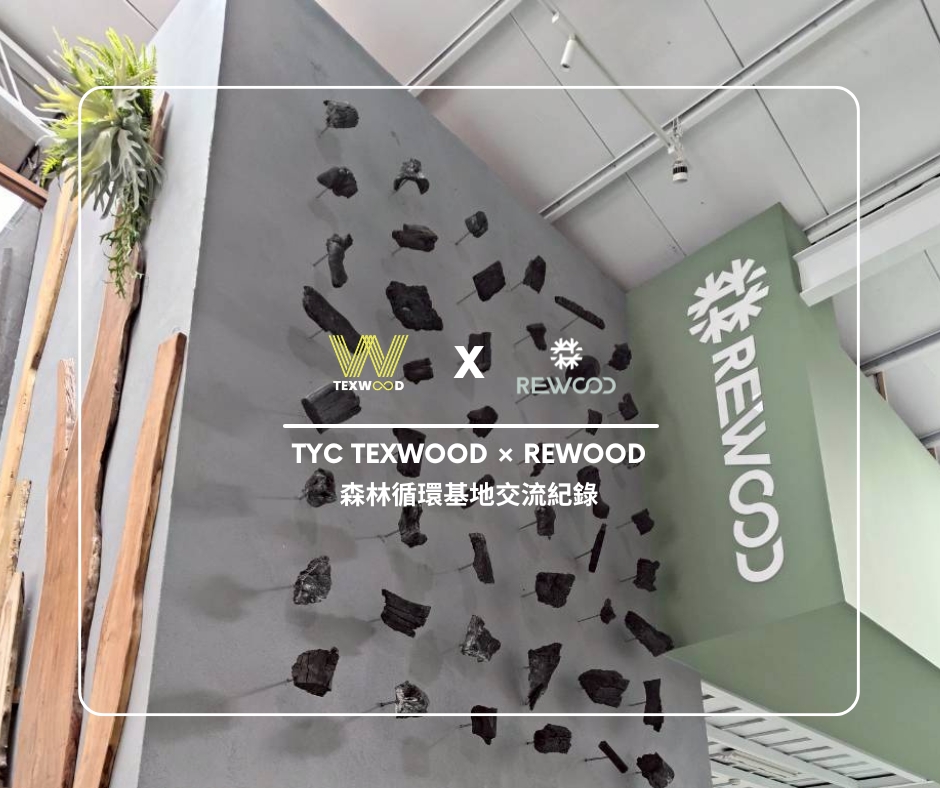
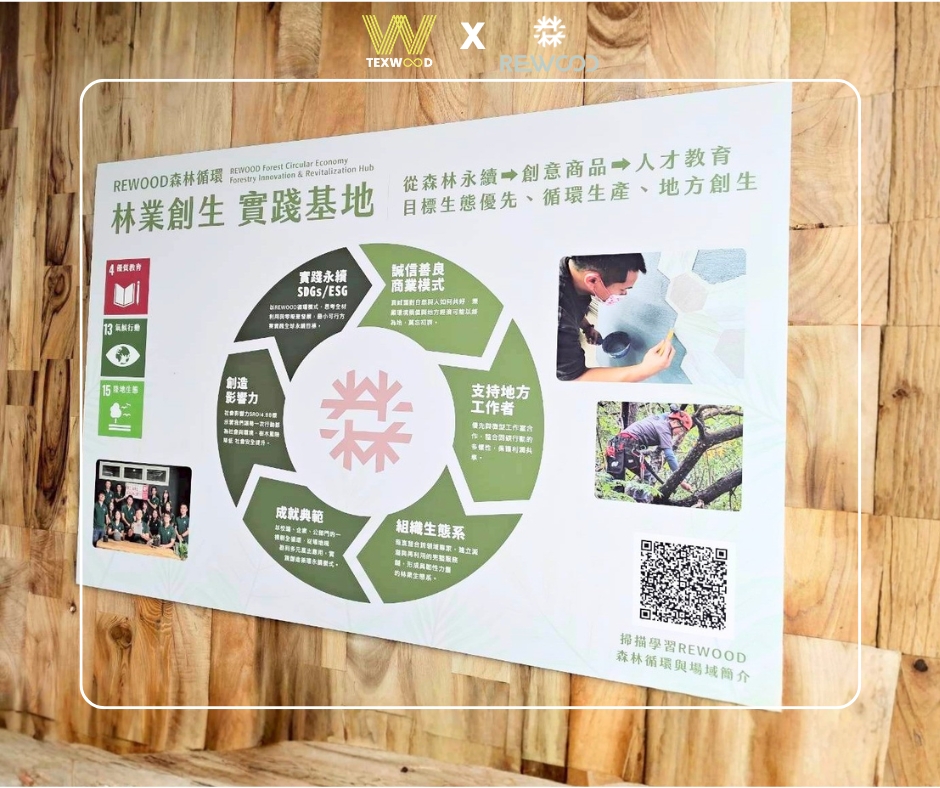
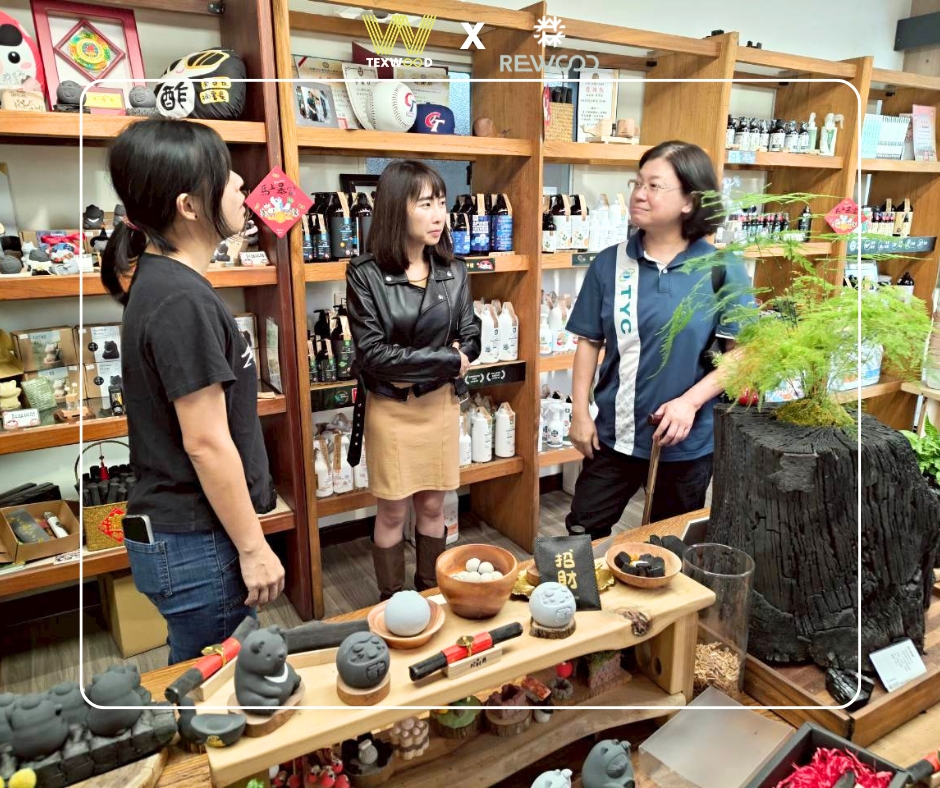
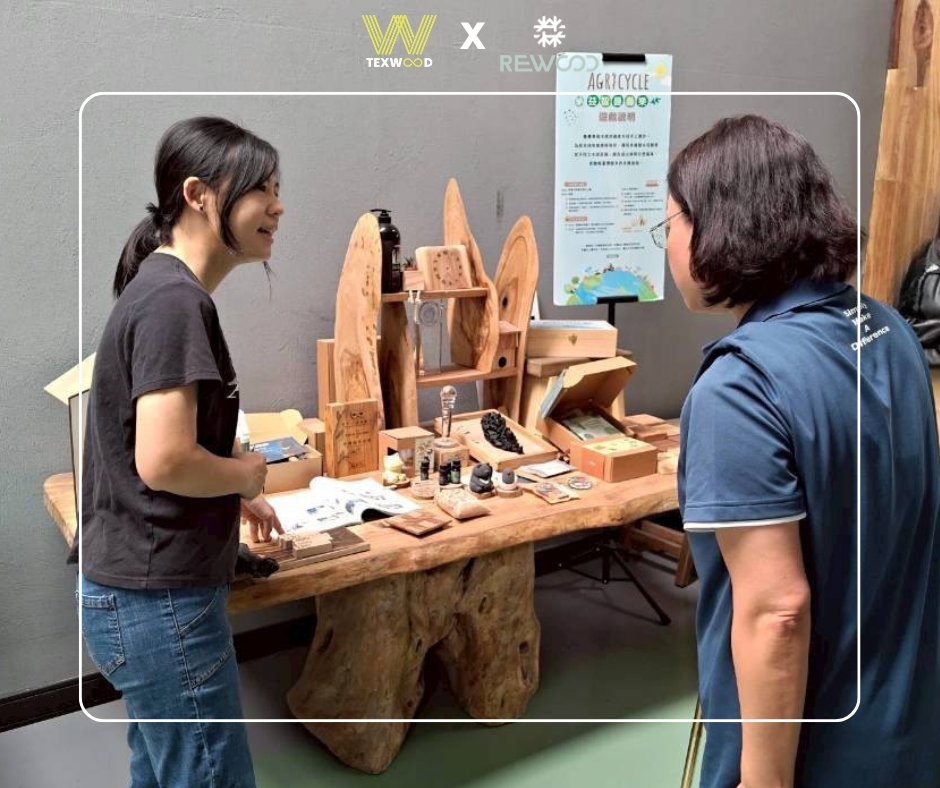
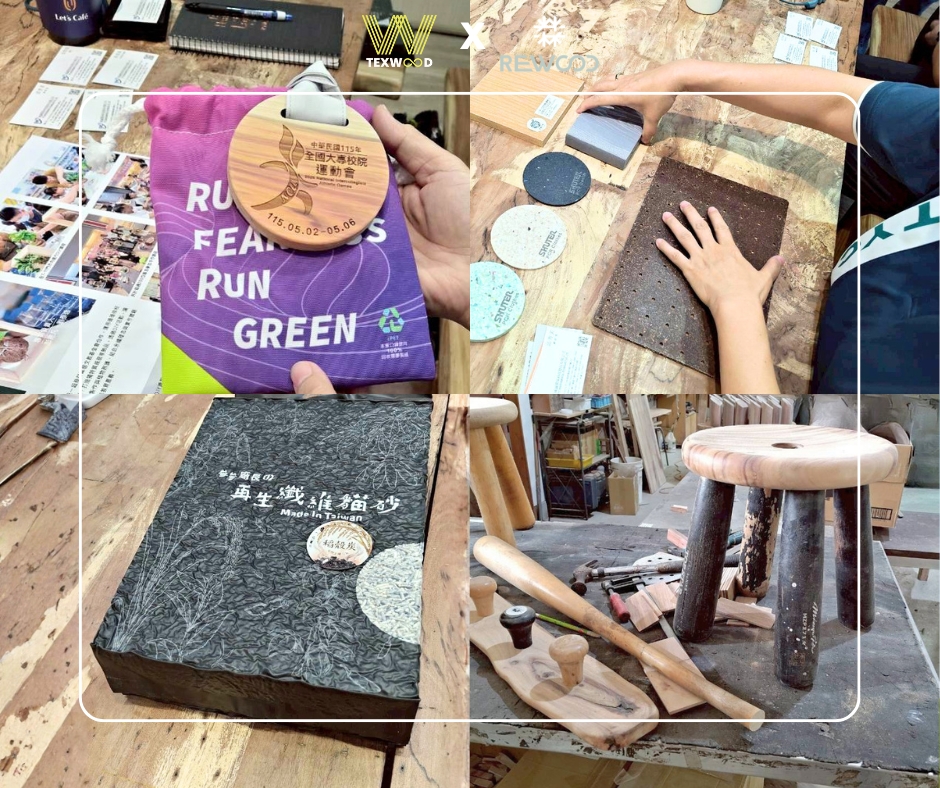
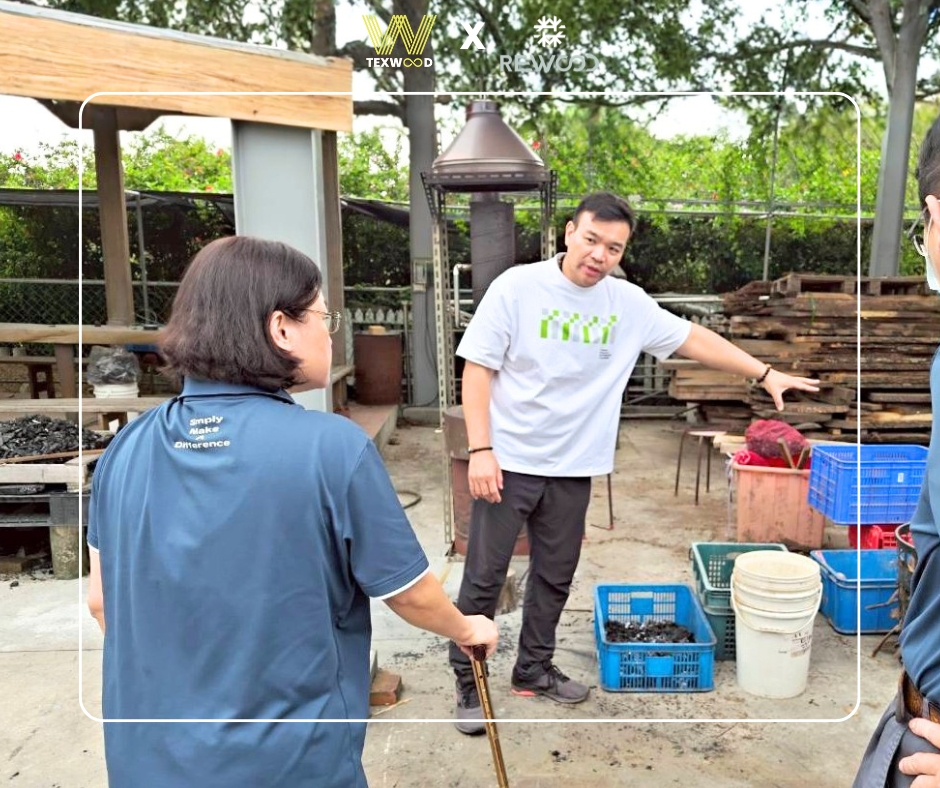
During this exchange visit arranged by the Institute for Information Industry (III), TYC visited the Forest Circular Base (REWOOD) and the Wood Vinegar Innovation Site to explore how full-wood applications and carbon sequestration value can be practically implemented through local revitalization and material innovation.
The core focus of this visit centered on one key question:
👉 How can forest resources, circular materials, and building applications be integrated into scalable low-carbon solutions?
🌱 From Pruned Wood to a Circular Material Value Chain
The REWOOD team uses locally sourced pruned wood as its primary resource, including:
- Campus pruning wood
- Community maintenance wood
- National plantation forest resources
Through localized reuse, these materials—once considered waste—are transformed into high-value products such as:
- Structural wood materials
- Wood vinegar applications
- Carbonized materials (Biochar / Charcoal)
👉 Creating a complete circular ecosystem of Waste → Material → Product → Application Space
This model not only improves resource efficiency, but also allows carbon to be stored, extended, and reused, forming a tangible carbon sequestration pathway.
🏡 From Buildings to Spaces: The Physicalization of Circular Economy
Building upon this foundation, REWOOD’s concept has evolved beyond a single building into an integrated platform:
👉 A real-world space combining Education × Display × Products × Circular Economy
This represents an important shift:
Building materials are no longer just materials — they are spatial systems that carry circular value and carbon management functions.
♻️ The Strategic Role of TYC TEXWOOD
Within the full-wood application framework, TYC TEXWOOD complements the limitations of natural wood in weather resistance and service life, becoming an important solution for exterior structures and circular material systems.
- 🌧 High durability: waterproof, corrosion-resistant, warp-resistant
- 🔁 Mono-material design: recyclable and reprocessable (Closed-loop)
- 🌍 Low-carbon material: reduces product carbon footprint (supports Scope 3 reduction goals)
- 🏗 Wide applications: façades, landscape design, modular buildings
👉 Working alongside natural wood through functional specialization to create a material system that combines natural aesthetics × engineering performance × circular design
🤝 Future Collaboration Opportunities
Mono-material × Functional Design × Integrated Spaces
This visit also revealed three potential collaboration directions:
1️⃣ Mono-material Circular Design
Improve recycling efficiency and carbon transparency while responding to ESG and international regulatory trends.
2️⃣ Functional Material Integration
TEXWOOD (durable exterior use) + Solid Wood (warm interior experience)
→ Creating an optimized material allocation model
3️⃣ Scenario-Based Solution Delivery
Upgrading from material supplier to a low-carbon spatial system provider
🌍 TYC Perspective | Beyond Materials: Integration Capability Matters
This visit reaffirmed a key industry trend:
The future competitiveness of building materials is not just about the material itself, but about the ability to integrate:
Materials × Carbon Management × Design × Real-World Applications
TEXWOOD is not just a recycled composite material.
👉 It is a key bridge connecting forest resources × circular materials × sustainable architecture
👉 Contact Us | Low-Carbon Building Material Integration Solutions